Camera-equipped AirPods: leaked details, privacy concerns and the UK outlook
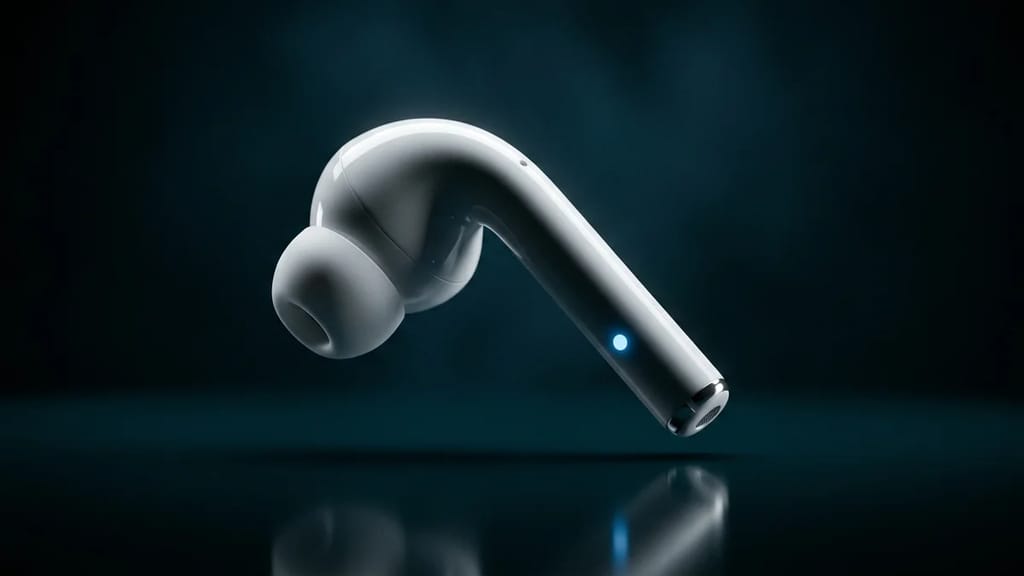
Camera-equipped AirPods are coming, most likely in 2027, and they are already stirring up the kind of privacy debate that followed Meta’s Ray-Ban smart glasses into pubs and theatres across the UK. Leaked code and an accidental Apple demo video have confirmed the core functionality, and the questions they raise for UK consumers and regulators are worth taking seriously now, well before the product ships.
Table of Contents
What the leaks actually show
Apple inadvertently gave the world its first look at camera AirPods by including a working instructional video inside the macOS Tahoe 26.7 release candidate. The clip shows a man holding a book up toward his AirPods while a Siri voiceover explains Visual Intelligence functionality. It racked up 4.6 million views on X before most people had even registered that the update had dropped.
Almost simultaneously, a developer digging into a hidden macOS framework called `AccessorySensorManager` found code strings confirming the technical detail behind the feature. The code describes synchronised, colour RGB image capture up to 1 megapixel, with matching frame IDs that allow the two earbuds to produce stereoscopic views. Crucially, the code points to photo capture only, not video. The system also draws on contextual clues including nearby speech, ambient sounds, and changes in the user’s head position and posture.
Two models, one 2027 window
Apple is reportedly working on two variants. The B790 is the model seen in the leaked video, built on the current AirPods Pro 3 platform. The B798 is a newer generation with cameras and deeper AI integration, and it is this device that will likely launch as the AirPods Pro 4. Reports suggest a minor, camera-free update to the AirPods Pro 3 has now been quietly shelved, meaning the 2027 version will be a more significant step forward than originally planned.
The 2027 launch window is crowded even by Apple’s standards. The same year is expected to bring Apple’s first smart glasses, a camera-equipped wearable pendant, a foldable iPhone, and an AI-focused smart home display. Apple is clearly betting that ambient, always-with-you AI is the next major platform shift, and the camera AirPods sit at the centre of that strategy.
The privacy features Apple is reportedly building in
Apple appears to be aware that shipping a camera inside something people wear in their ears is not a straightforward PR exercise. Two specific mitigations have emerged from the leaked code and surrounding reports. First, the AirPods will reportedly include a capture light, a visible indicator that activates when the camera is in use, similar in concept to the green dot on MacBooks and iPhones. Second, and more significantly, there are indications the device will not capture images if it detects a person in the frame.
All visual processing is said to happen on-device rather than being sent to Apple’s servers. That matters both for privacy and for latency, and it mirrors the approach Apple has taken with Face ID and other biometric features. None of these details are confirmed from shipping hardware yet, but the code suggests Apple’s engineering teams are treating privacy as a design constraint rather than an afterthought.
Why the UK should be paying attention
The reaction online has not been entirely warm. Comments ranging from sceptical to outright hostile have circulated widely, with one user describing the technology as “amazing advances in pervert technologies.” That kind of reaction reflects a genuine public anxiety that regulators in the UK are well positioned to act on.
The UK’s Information Commissioner’s Office enforces UK GDPR, which requires any organisation or individual capturing images of identifiable people to have a lawful basis for doing so. Wearing camera AirPods in a café, on a building site, or at a client’s home raises an immediate question: what is the lawful basis for capturing an image of the person across the table, or the customer answering the door? The fact that processing happens on-device does not, by itself, resolve that question. If an image is captured at all, even briefly, the legal framework applies.
The closest real-world comparison is Meta’s Ray-Ban smart glasses, which have already prompted venue bans at pubs, restaurants, and theatres across the UK. Those bans are informal rather than regulatory, driven by operators protecting their customers rather than by ICO enforcement action. But they demonstrate that UK venues and the public are willing to push back on wearable cameras in shared spaces, and there is no particular reason to think AirPods would be treated differently.
The challenge AirPods cameras face that glasses don’t
Smart glasses at least look like they could plausibly contain a camera. Earbuds do not carry the same visual cue, and that asymmetry cuts both ways. On one hand, Apple can argue the capture light makes active use obvious. On the other, a small indicator on an earbud is considerably harder to spot at conversational distance than a camera housing on a pair of glasses. Whether the ICO, venues, or the public will accept that distinction as adequate is genuinely uncertain.
There is also the question of professional contexts. Tradespeople working in customers’ homes, healthcare workers, and anyone operating in a regulated environment will need clear guidance on whether wearing camera AirPods while working is permissible. The on-device processing argument helps, but the image is still being captured, however briefly, before the device decides whether to use it.
What happens next
Apple’s September 2026 event is expected to focus on the iPhone 17 line and a camera-free AirPods update. The camera AirPods are a 2027 story, which gives regulators, venues, and consumers roughly eighteen months to form a view. The ICO has not yet commented specifically on camera-equipped earbuds, but given the pace of wearable AI development, it would be surprising if the question did not land on their desk before the product ships.
For UK consumers, the honest position right now is watchful interest. The technology, as described in the leaked code, is more considered than the breathless reactions suggest. Photo-only capture, on-device processing, a capture light, and a reported person-detection safeguard are all meaningful design choices. Whether they are sufficient is a conversation that UK regulators, hospitality operators, and the public are going to have whether Apple invites them to or not.
Verdict
Camera AirPods are real, they are coming in 2027, and the privacy concerns they raise are legitimate rather than sensational. Apple’s reported safeguards show the company is taking the issue seriously, but the UK’s existing data protection framework means those safeguards will face scrutiny on their merits, not just on Apple’s say-so. The Meta Ray-Ban precedent suggests venue restrictions are likely regardless of what the ICO does, and anyone expecting a smooth, controversy-free launch is probably being optimistic.
Frequently asked questions
When will camera-equipped AirPods be released in the UK?
Based on current reports, Apple is targeting a 2027 launch. A minor update to the existing AirPods Pro 3 without cameras appears to have been scrapped, meaning the camera version will most likely arrive as the AirPods Pro 4.
Will camera AirPods take photos or record video?
Leaked code from the `AccessorySensorManager` framework points to photo capture only, not video. The cameras capture colour RGB images up to 1 megapixel and use matching frame IDs from both earbuds to create stereoscopic views for Visual Intelligence processing.
Is it legal to wear camera AirPods in public in the UK?
UK GDPR requires a lawful basis for capturing images of identifiable individuals, so the legal picture is not straightforward. Personal use in genuinely private contexts is generally lower risk, but wearing them in a customer’s home, a workplace, or a public venue raises real data protection questions that the ICO has not yet addressed specifically for this device.
How will you know if someone’s AirPods are taking a photo of you?
Apple is reportedly including a capture light on the device that activates when the camera is in use. However, a small indicator on an earbud is considerably less obvious at normal conversational distance than a camera housing on a pair of glasses, which is likely to remain a point of public concern.
Could camera AirPods face bans in UK venues?
It is plausible. Meta’s Ray-Ban smart glasses have already been restricted by pubs, restaurants, and theatres in the UK due to concerns about covert recording. There is no regulatory reason to think camera AirPods would be treated more leniently, particularly given how inconspicuous earbuds are compared to glasses.
The gap between a product announcement and genuine public acceptance is often where the most important decisions get made, and for camera AirPods, that gap is about to open up.
