UK fusion power plant: the £30m STEP deal explained
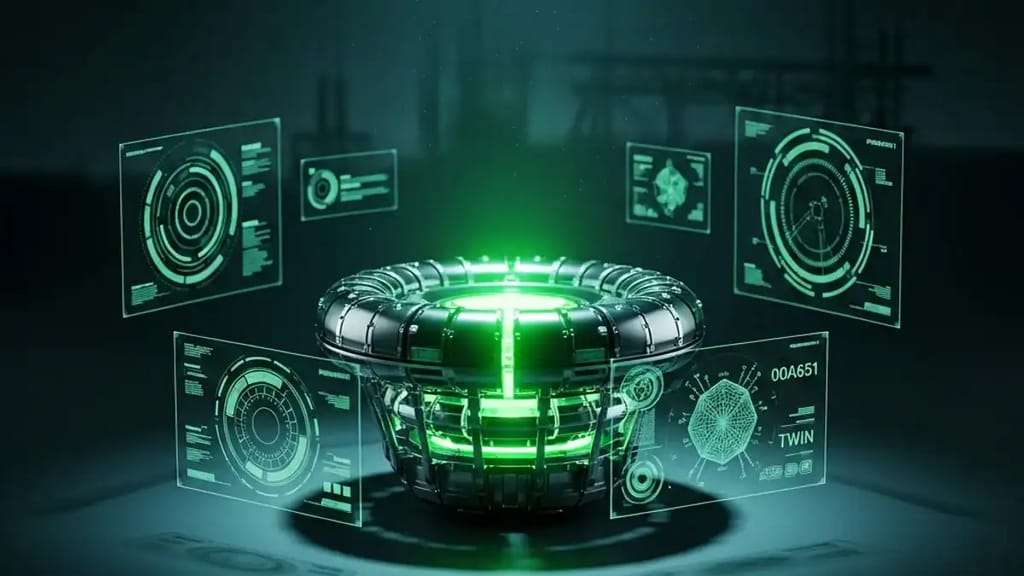
The fusion power plant UK STEP deal explained here centres on a £30 million government contract to build the world’s first prototype reactor by 2040, marking one of the most significant clean energy commitments Britain has made in a generation. The project positions the UK at the front of a technology race that could fundamentally change how the country generates and prices electricity. For small businesses already dealing with volatile energy costs, the long-term implications are worth understanding.
Table of Contents
What the £30 million deal actually covers
The £30 million is part of the broader STEP programme, run by the UK Atomic Energy Authority (UKAEA), which has a planned site at West Burton in Nottinghamshire. This specific contract funds the design and engineering infrastructure needed to move from concept to a working prototype, with a target completion date of 2040. It is not the total cost of the plant itself, which is expected to run into billions, but it funds a critical early phase of the build.
The UK government has been funding STEP since 2019, with over £220 million committed to the programme to date. This latest contract signals the project has moved beyond feasibility studies into active engineering work.
Dassault Systèmes and the digital twin role
French software firm Dassault Systèmes, best known for its 3DEXPERIENCE platform used in aerospace and automotive engineering, has been selected to lead the digital twin software development for STEP. A digital twin is a live, dynamic virtual replica of a physical system, updated in real time as conditions change. For a fusion reactor, this means engineers can model plasma behaviour, thermal loads, and structural stress before committing to physical components.
This is not a minor software contract. The digital twin will effectively be the engineering backbone of the entire project, used to validate designs and reduce the risk of costly errors at a scale that has never been attempted in fusion before.
What this means for UK small businesses
Fusion power, if delivered at scale, produces no carbon emissions, generates no long-lived radioactive waste, and uses hydrogen isotopes as fuel rather than gas or coal. For the UK, that points toward genuine long-term energy price stability, reducing dependence on international gas markets that have caused the kind of bill spikes small businesses absorbed heavily between 2021 and 2023.
The 2040 target is for a prototype, not a commercial grid-connected plant. Widespread fusion energy on the national grid is realistically a 2050s or 2060s story. The more immediate opportunity for small businesses is in the supply chain: the STEP site at West Burton will require engineering, construction, logistics, catering, and professional services firms from across the East Midlands and beyond.
UKAEA has stated an intent to build a UK-based industrial supply chain for STEP, which means procurement opportunities for specialist manufacturers and service providers over the coming decade. Businesses in precision engineering, electrical installation, and project management are particularly well placed to explore this.
Verdict
This deal is a genuine milestone, not a press release. The involvement of a major industrial software firm, a confirmed site, and sustained government funding across multiple years gives STEP more credibility than many previous fusion announcements. The direct benefit to most small businesses is long-term and indirect, but the supply chain opportunity is real and closer than the energy payoff.
Frequently asked questions
What is the STEP fusion project?
STEP stands for Spherical Tokamak for Energy Production. It is a UK Atomic Energy Authority programme to design and build the world’s first prototype fusion power plant, planned for the West Burton site in Nottinghamshire with a target date of 2040.
Is fusion power actually close to being real?
The STEP prototype targets 2040, but commercial grid-scale fusion electricity is more likely a 2050s or 2060s prospect. Fusion has historically taken longer than projected, though sustained government and private investment is accelerating progress.
Can small businesses bid for STEP supply chain contracts?
UKAEA has committed to building a UK industrial supply chain for STEP. Opportunities will span engineering, construction, professional services, and logistics. The UKAEA website and Find a Tender service are the right places to monitor for contract notices.
What is a digital twin and why does it matter here?
A digital twin is a virtual model of a physical system that updates in real time. For STEP, Dassault Systèmes will build a digital twin of the reactor so engineers can test designs and predict failures without building expensive physical prototypes first.
The STEP programme will not change energy bills next year, but it represents the kind of long-term infrastructure bet the UK has rarely made with this level of follow-through, and it is worth keeping an eye on as the 2040 milestone approaches.
